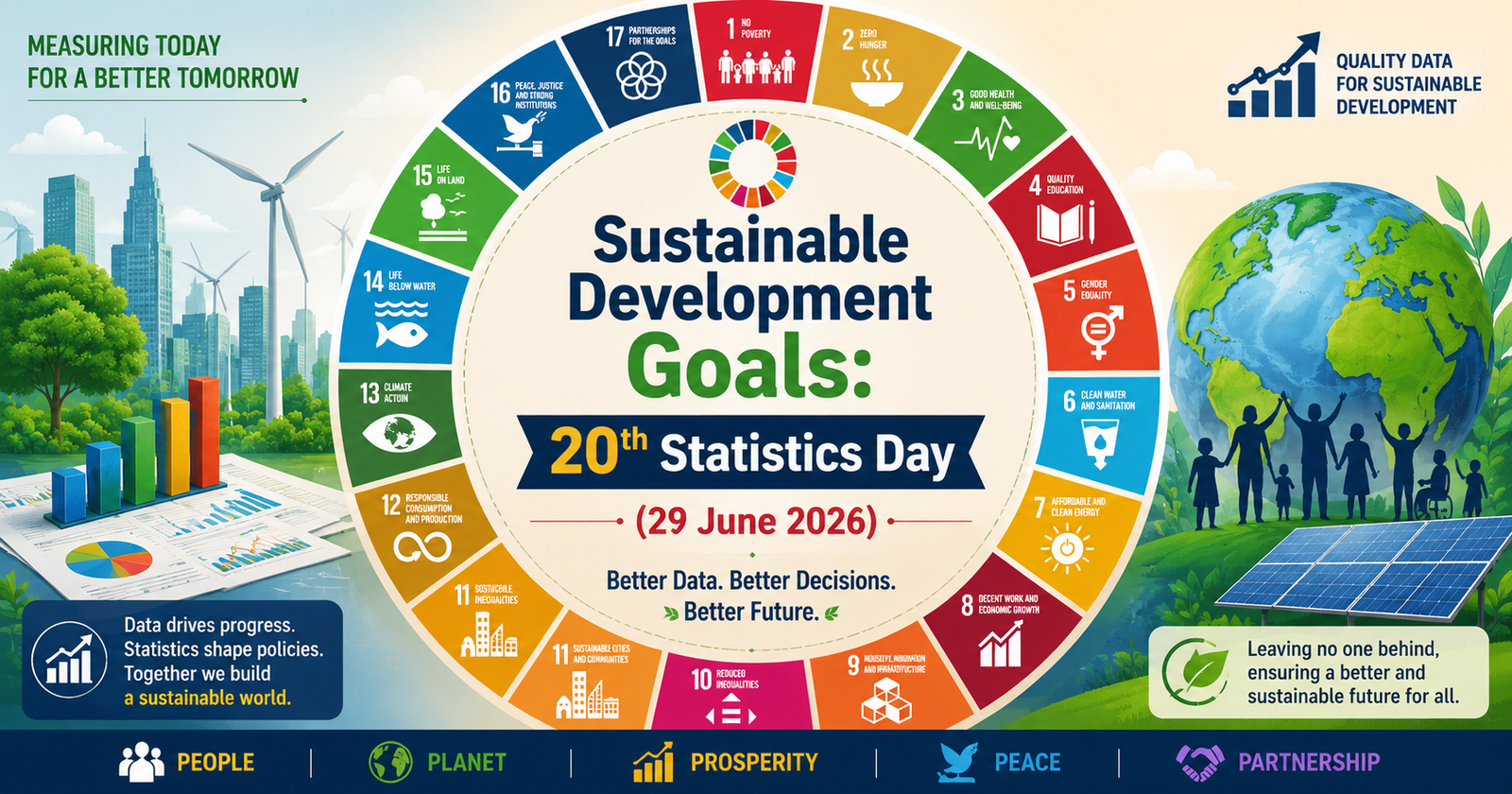
Explore the latest progress towards the Sustainable Development Goals (SDGs) through the National Indicator Framework 2026, highlighting key achievements, official data, and important insights for UPSC aspirants.
Syllabus Areas:
GS III - Economy and Development
The Ministry of Statistics and Programme Implementation (MoSPI) released four important publications on the occasion of the 20th Statistics Day (29 June 2026) to assess India's progress towards achieving the United Nations Sustainable Development Goals (SDGs) 2030. These publications are based on the National Indicator Framework (NIF) 2026, which tracks India's performance across all 17 Sustainable Development Goals using 277 national indicators.
Why is this important?
The Sustainable Development Goals (SDGs) are a set of 17 global goals adopted by the United Nations in 2015 under the 2030 Agenda for Sustainable Development. India monitors its progress through the National Indicator Framework (NIF) developed by MoSPI in consultation with NITI Aayog, Line Ministries, UN Agencies, State Governments, Other stakeholders
The framework serves as the official mechanism for:
-
Monitoring SDG progress
-
Policy formulation
-
Programme implementation
-
Evidence-based governance
-
International reporting on SDGs
MoSPI publishes the SDG Progress Report every year on 29 June (Statistics Day).
What is the National Indicator Framework (NIF)?
It monitors and measures India's progress towards achieving the 17 Sustainable Development Goals (SDGs) adopted under the UN's 2030 Agenda for Sustainable Development. It provides a standardized set of indicators that help track progress at the national and state levels and supports evidence-based policymaking.
The National Indicator Framework (NIF), 2026 consists of 277 national SDG indicators, covering all 17 Sustainable Development Goals. Some of the major highlights of the progress report reflecting India's continued progress towards achieving the Sustainable Development Goals are:
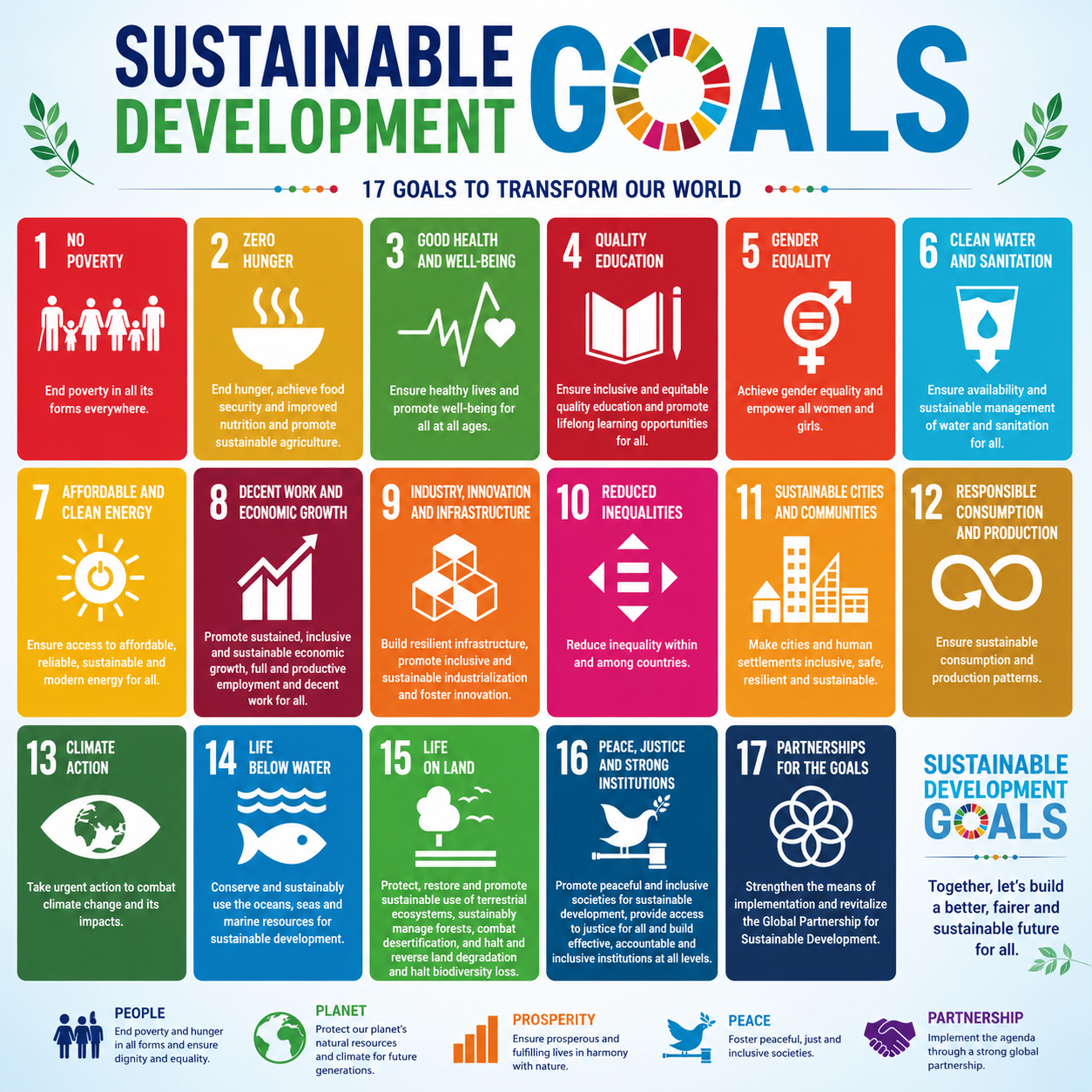
Highlights of India's SDG Progress (2026)
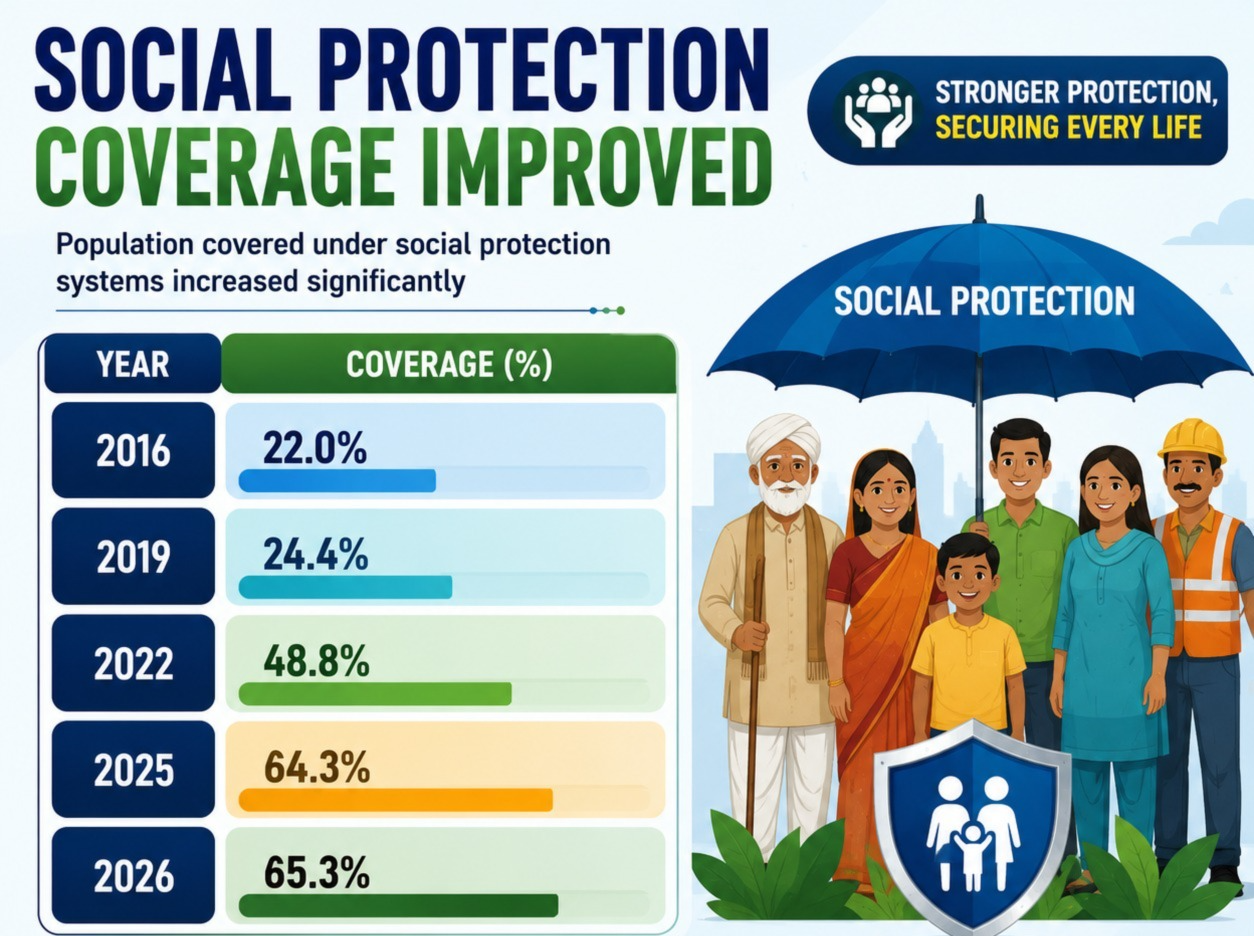
1. Social Protection Coverage Improved
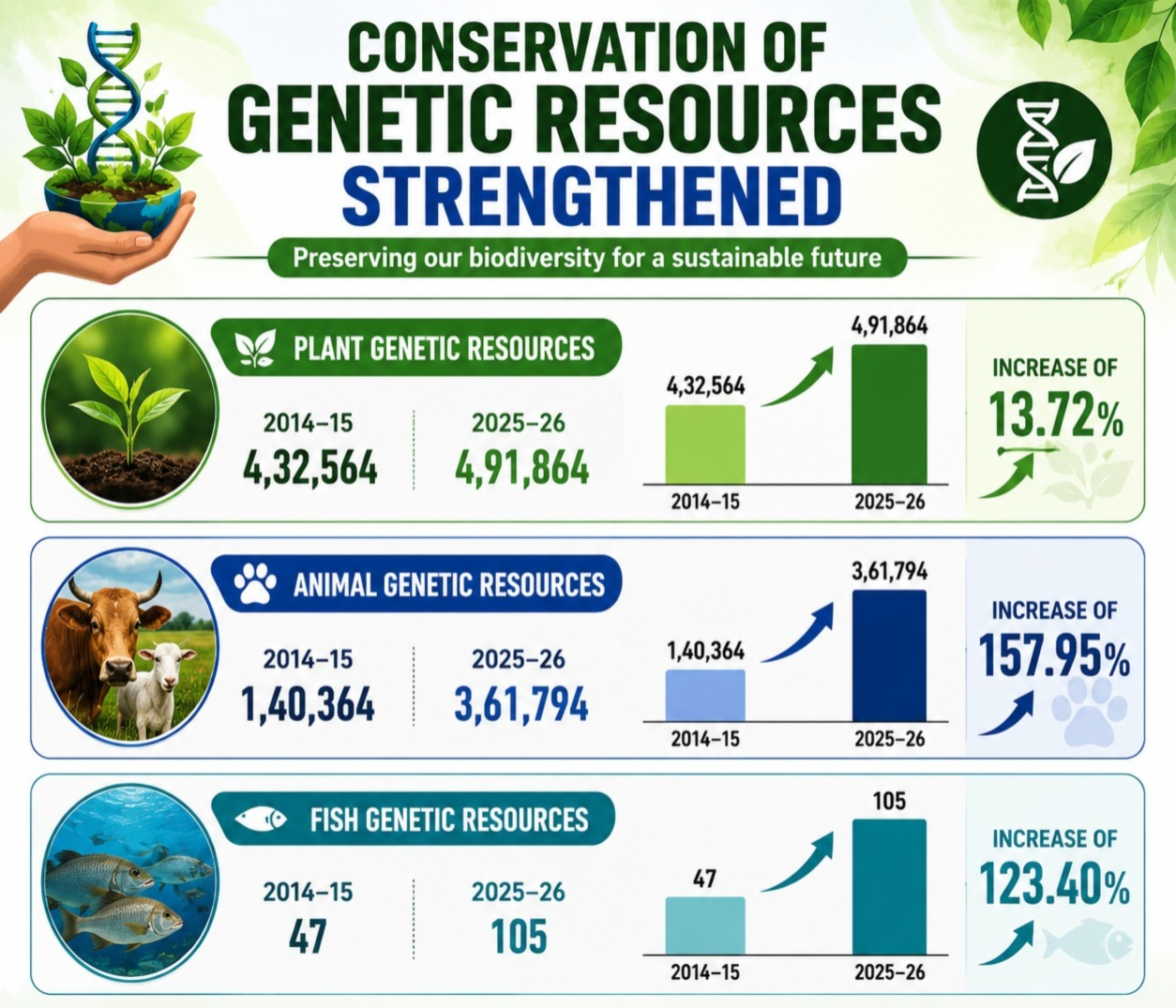
2. Conservation of Genetic Resources Strengthened
-
Strengthening genetic resource conservation enhances food security, protects agricultural biodiversity, improves climate resilience, preserves valuable plant, animal, and fish species, and supports sustainable agriculture for future generations.
3. Maternal Mortality Ratio
-
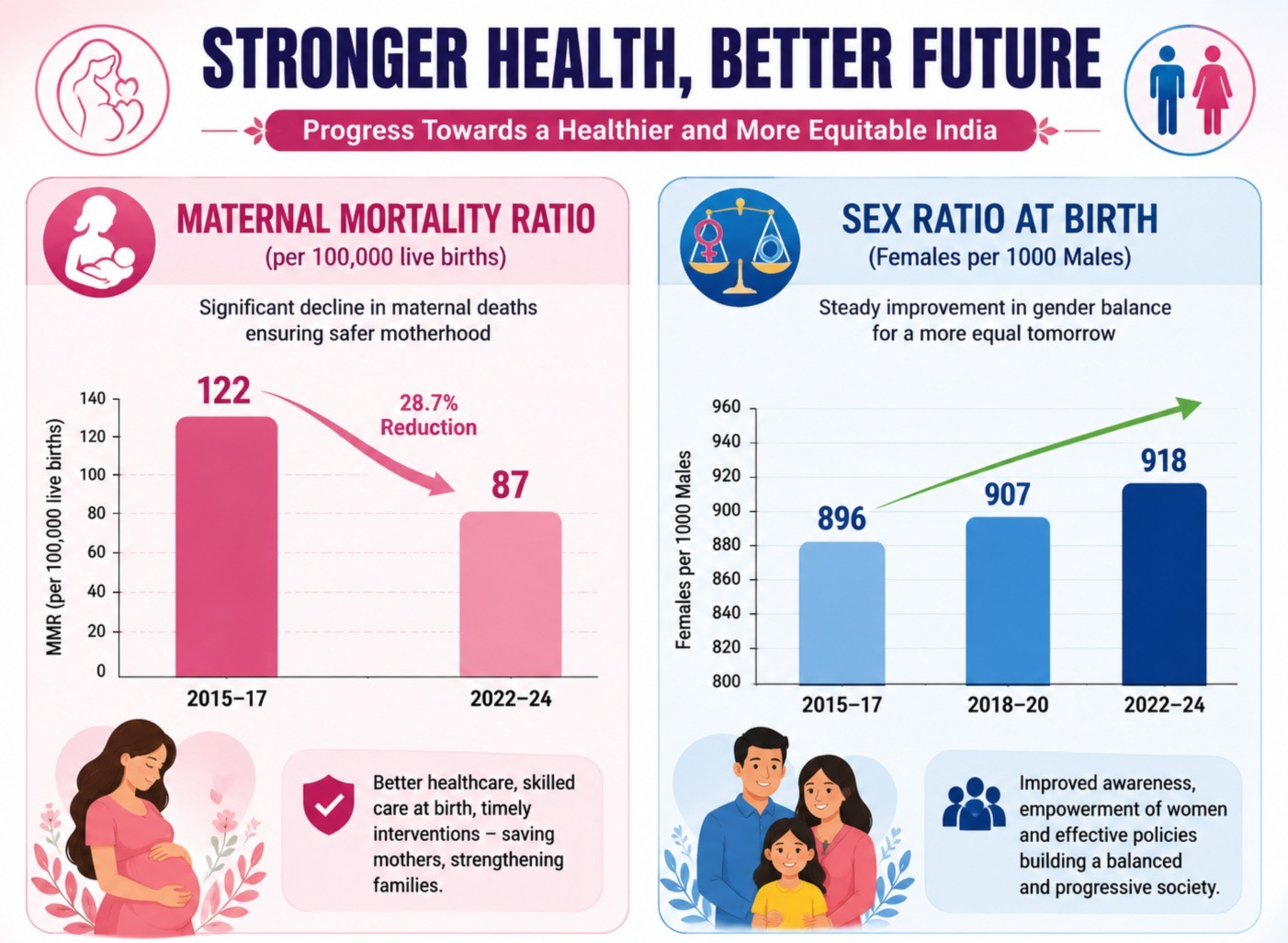
Maternal Mortality Ratio (MMR) is the number of maternal deaths during pregnancy, childbirth, or within 42 days of delivery per 100,000 live births in a given period.
-
The declining Maternal Mortality Ratio reflects improved maternal healthcare, expanded institutional deliveries, better antenatal and postnatal care, stronger health infrastructure, and significant progress towards achieving SDG 3: Good Health and Well-being.
4. Sex Ratio at Birth Improved
-
Sex Ratio at Birth (SRB) is the number of female live births per 1,000 male live births during a specified period, indicating gender balance at birth and societal equality.
-
The improving Sex Ratio at Birth indicates better gender balance, growing awareness against gender discrimination, effective implementation of welfare initiatives, enhanced protection of girl children, and steady progress towards gender equality (SDG 5).
5. Renewable Energy Capacity Increased
-
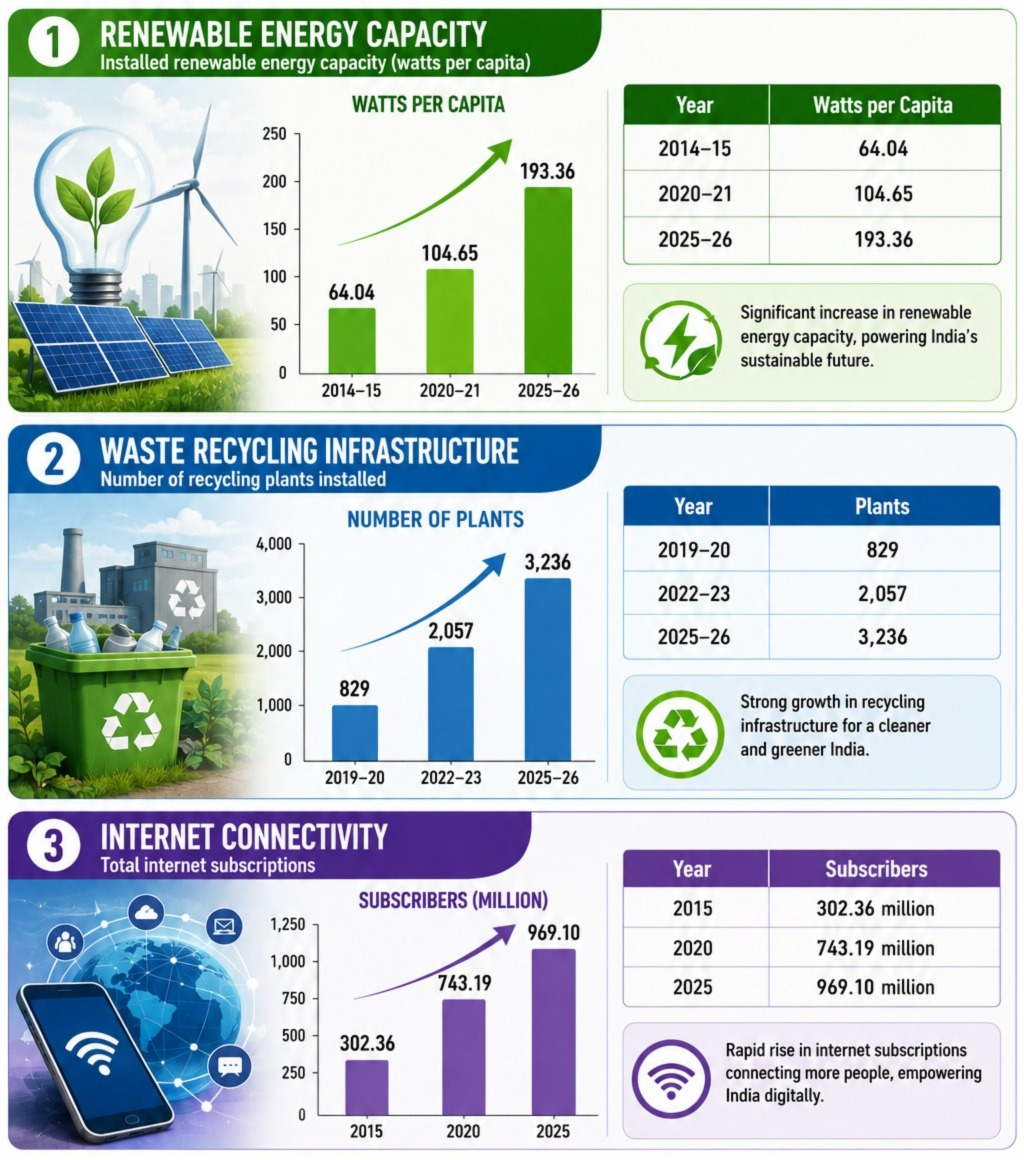
The nearly threefold increase in renewable energy capacity demonstrates India's transition towards clean energy, strengthens energy security, reduces greenhouse gas emissions, supports SDG 7 (Affordable and Clean Energy), and advances national climate and sustainable development commitments.
6. Waste Recycling Infrastructure Expanded – Significance (35 words)
-
The rapid expansion of waste recycling infrastructure improves scientific waste management, promotes a circular economy, reduces environmental pollution, conserves natural resources, enhances resource efficiency, and supports sustainable urban development while advancing SDG 12 (Responsible Consumption and Production).
7. Internet Connectivity Expanded – Significance (35 words)
-
The sharp rise in internet subscriptions promotes digital inclusion, expands access to education, healthcare, banking, and e-governance, bridges the digital divide, strengthens the Digital India initiative, and accelerates inclusive socio-economic development across urban and rural regions.
8. Unemployment Rate Declined
-
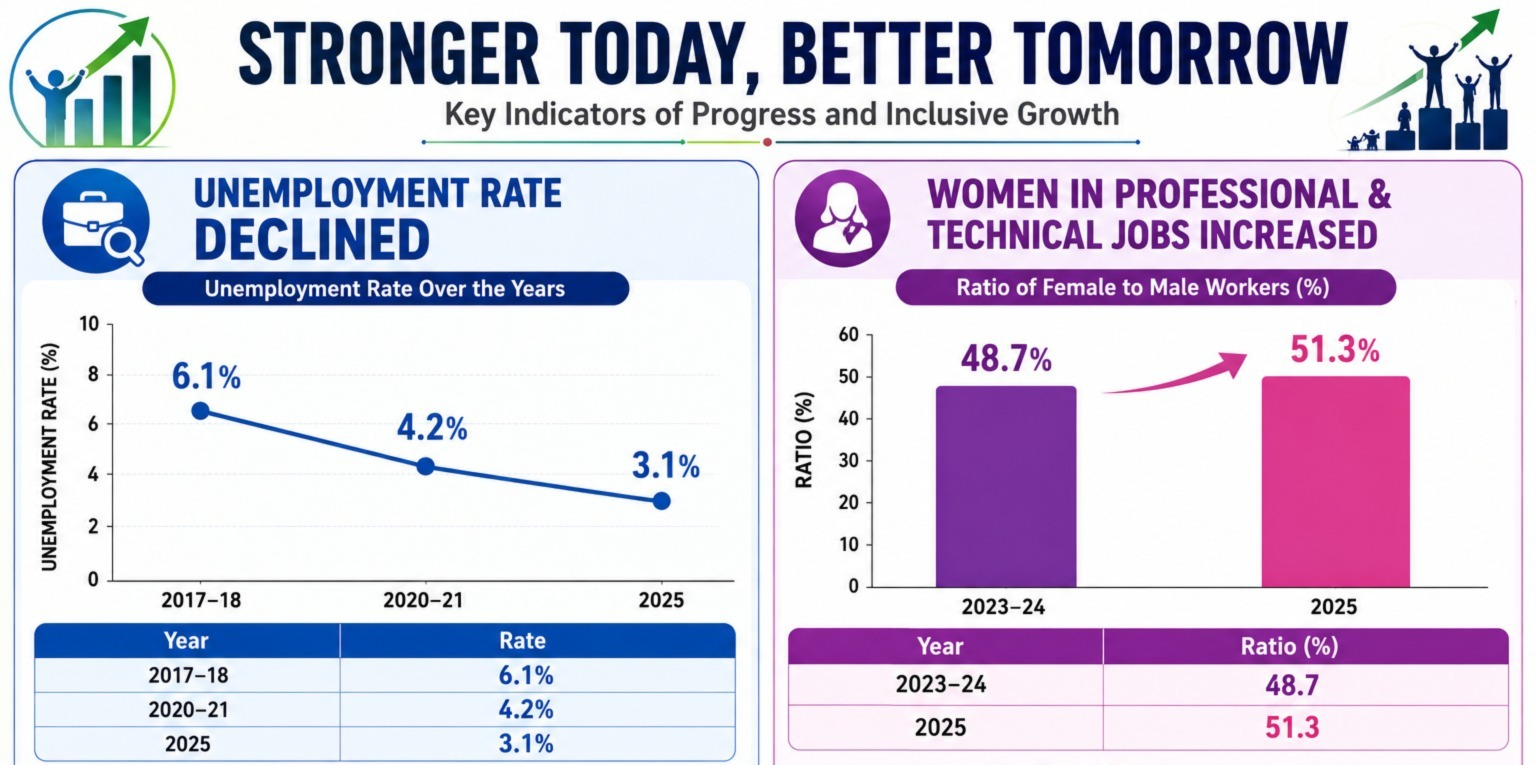
The declining unemployment rate reflects an improving labour market, expanding employment opportunities, rising workforce participation, stronger economic growth, enhanced productivity, and better livelihoods, contributing to inclusive and sustainable national development
9. Women in Professional & Technical Jobs Increased
-
The rising share of women in professional and technical jobs reflects greater female workforce participation, improved gender equality, enhanced economic empowerment, increased workplace diversity, and steady progress towards SDG 5: Gender Equality.
The SDG National Indicator Framework Progress Report 2026 demonstrates India's continued advancement toward achieving the 2030 Sustainable Development Goals. Improvements in social protection, maternal health, renewable energy, employment, women's workforce participation, biodiversity conservation, waste management, wetland protection, and digital connectivity reflect sustained progress across multiple sectors. At the same time, the report serves as a critical evidence base for policymakers to identify gaps and accelerate efforts toward inclusive and sustainable development.
Prelims Questions:
1. Consider the following statements regarding India's SDG Progress Report 2026:
-
Renewable energy capacity per capita has increased nearly threefold since 2014–15.
-
Maternal Mortality Ratio declined from 122 to 87 per 100,000 live births.
-
Internet subscriptions declined between 2020 and 2025.
Which of the statements given above are correct?
(a) 1 and 2 only
(b) 2 and 3 only
(c) 1 and 3 only
(d) 1, 2 and 3
Answer: (a)
Explanation: Statements 1 and 2 are correct. Internet subscriptions increased from 743.19 million (2020) to 969.10 million (2025), making Statement 3 incorrect.
Mains Questions:
1. "Economic growth is meaningful only when it improves people's quality of life." In the light of India's progress under the Sustainable Development Goals (SDGs), discuss. (250 words)